

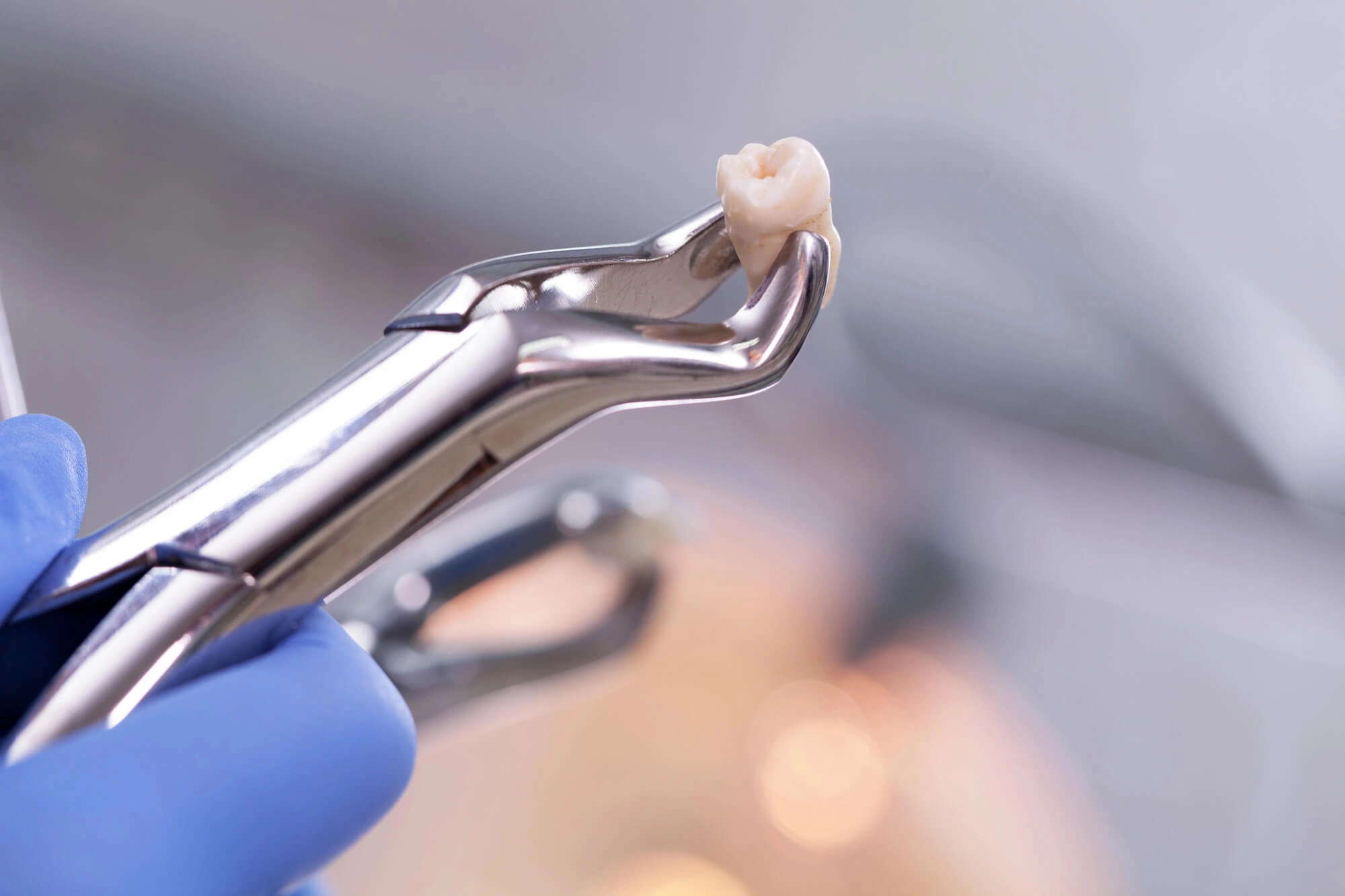
Tooth extraction may be recommended when a damaged, infected, or severely compromised tooth can no longer be predictably restored. Removing a problematic tooth can help protect surrounding teeth, reduce the risk of infection, and create a healthier foundation for future dental treatment. A dentist in Allentown, PA can evaluate your tooth and determine whether extraction is appropriate.
When Can Tooth Extraction Protect Your Oral Health?
Dentists generally aim to preserve natural teeth whenever possible. However, some teeth may be too damaged or diseased to restore successfully. In these situations, leaving the tooth untreated can create additional problems for your oral health.
Extraction may be considered when a tooth has extensive decay, severe structural damage, advanced gum disease, or an infection that cannot be effectively treated with other procedures.
Removing a Source of Infection
A severely infected tooth can allow bacteria to spread into surrounding tissues. Although treatments such as root canal therapy may save many infected teeth, extraction may be necessary when the tooth cannot be adequately restored.
Removing the affected tooth eliminates the immediate source of infection and gives the surrounding tissues an opportunity to heal.
Protecting Nearby Teeth
A severely damaged tooth can affect neighboring teeth and the surrounding gums. For example, significant decay may continue spreading through the affected tooth, while advanced periodontal disease can compromise the structures supporting nearby teeth.
Removing a tooth that cannot be saved may help prevent the problem from causing additional damage.
What Are the Benefits of Removing a Problematic Tooth?
Although losing a natural tooth is not ideal, extraction can sometimes be an important step toward improving long-term oral health.
Potential benefits include:
- Removing a severely damaged or infected tooth
- Reducing the risk of an untreated infection worsening
- Protecting surrounding teeth and tissues
- Relieving persistent pain caused by an unsalvageable tooth
- Creating space for a future dental restoration
- Supporting a healthier overall oral environment
What Happens After Extraction?
After an extraction, your dentist will provide instructions for protecting the extraction site while it heals. Following these instructions carefully is important for reducing the risk of complications and supporting proper healing.
Depending on your situation, your dentist may also discuss tooth replacement options. Replacing a missing tooth can help restore chewing function and may help prevent neighboring teeth from shifting into the open space.
Can Every Problematic Tooth Be Extracted?
Extraction is not automatically the best solution for every damaged tooth. Your dentist will first evaluate the tooth and surrounding structures to determine whether it can be preserved through another treatment.
Depending on the condition of the tooth, alternatives may include a filling, crown, root canal, or periodontal treatment. If the tooth cannot be predictably restored, extraction may offer the safest long-term option.
Why Professional Evaluation Matters
Trying to ignore a painful or damaged tooth can allow an underlying problem to progress. A professional examination allows your dentist to identify the cause of the problem and explain the available treatment options.
The goal is not simply to remove a tooth but to protect your oral health and determine the best path forward.
Choose a dentist in Allentown, PA for Tooth Extraction Care
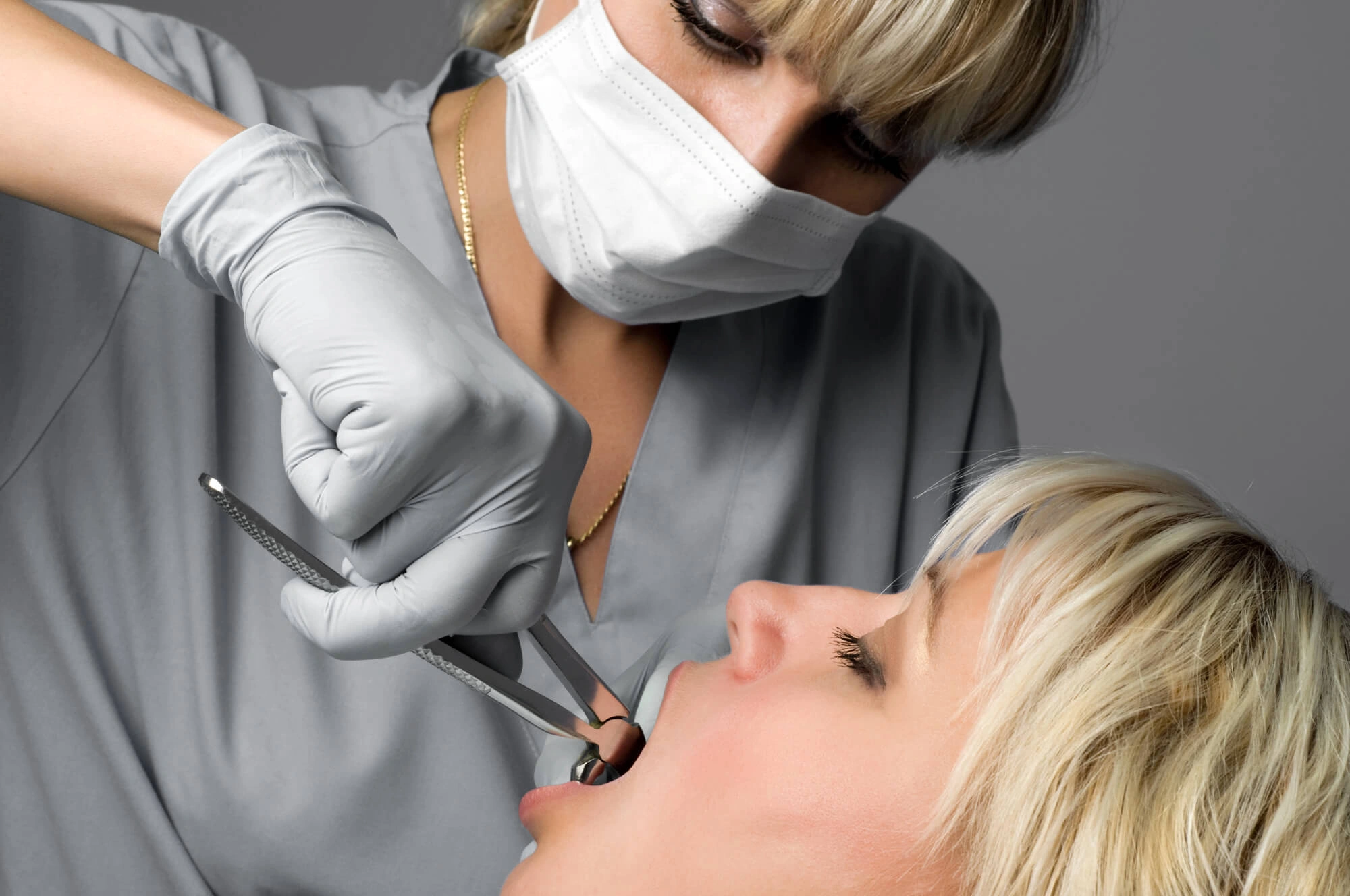
When a tooth is severely damaged, infected, or otherwise unsalvageable, extraction can help prevent additional oral health complications. Strassman Family & Cosmetic Dental provides tooth extraction services with personalized care focused on patient comfort and long-term oral health. Schedule an evaluation to determine whether extraction or another treatment is the right option for your smile.