
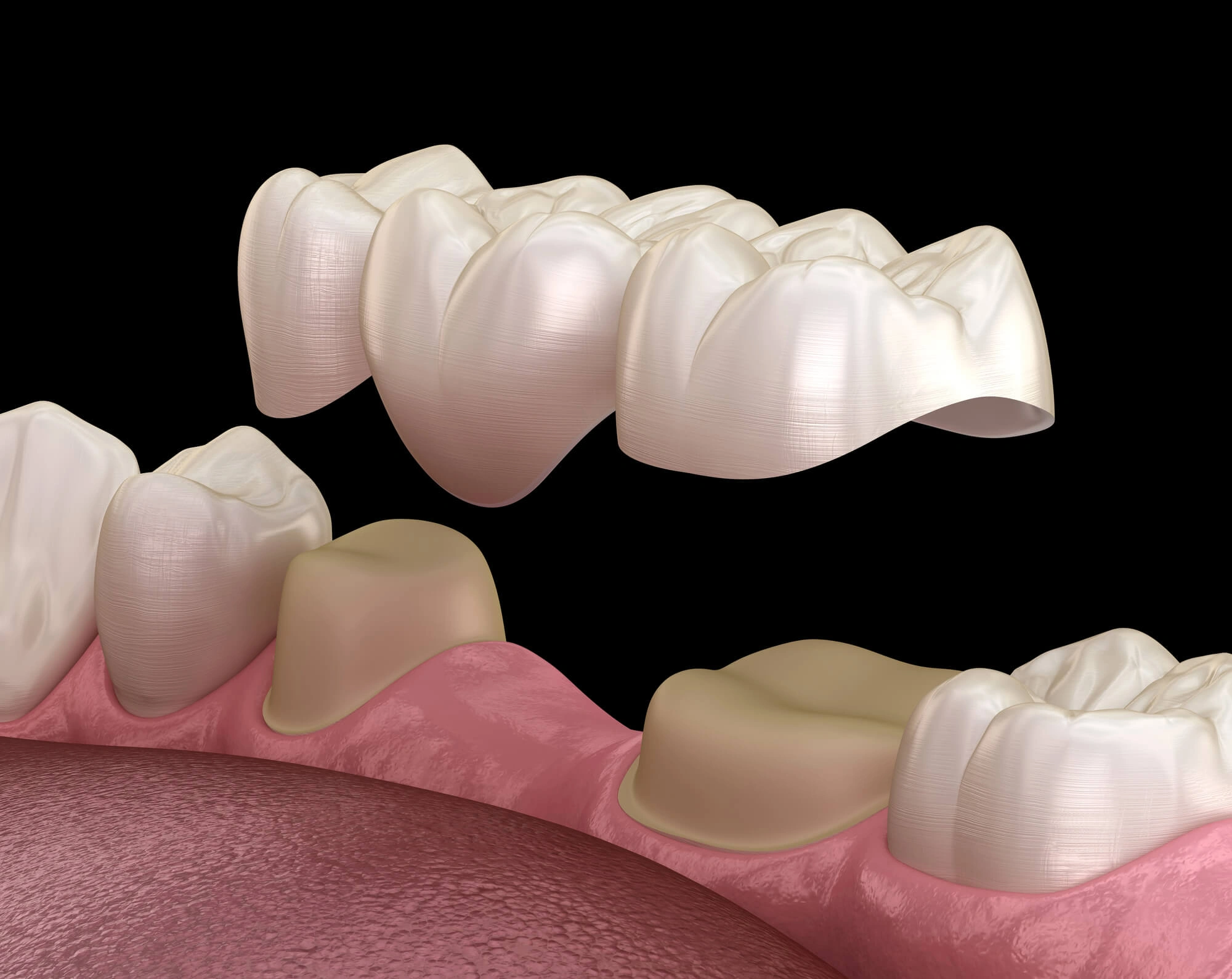
Missing a tooth can affect more than the appearance of your smile. Dental bridges in Allentown can replace a missing tooth, restore chewing function, and help keep surrounding teeth properly positioned. Recognizing the signs that you may benefit from a dental bridge can help you address tooth loss before it creates additional oral health concerns.
Signs You May Need a Dental Bridge
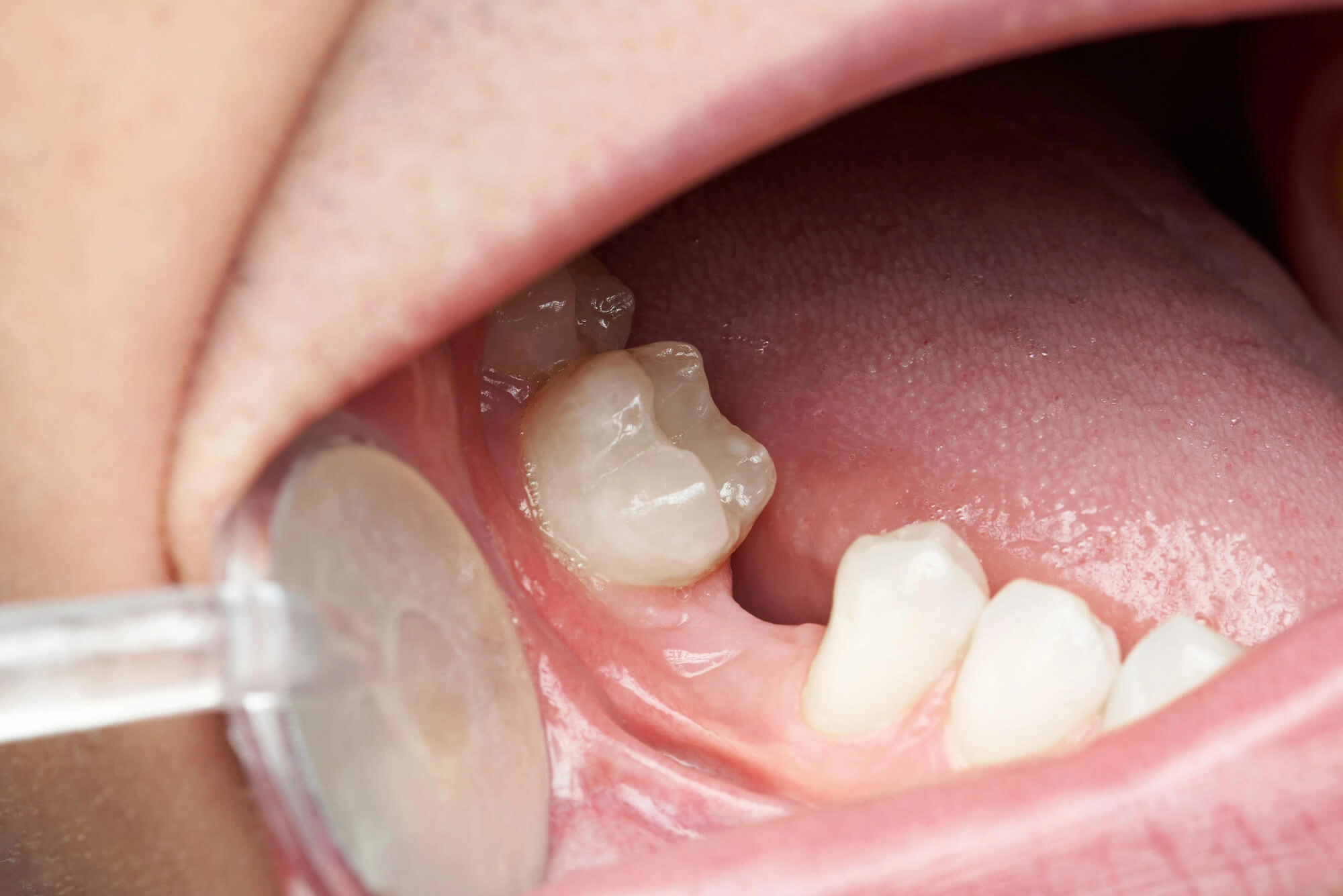
A missing tooth does not always cause immediate discomfort, but leaving the space untreated can affect your bite and surrounding teeth. You may want to discuss a dental bridge with your dentist if you notice changes in how you chew, speak, or feel about your smile. A professional evaluation can determine whether a bridge is appropriate for your particular needs.
You Have One or More Missing Teeth
The most obvious sign that you may need a dental bridge is a missing tooth or a noticeable gap in your smile. Bridges are designed to replace missing teeth by using neighboring teeth or dental implants for support. Filling the space can restore both the appearance and function of your smile.
Your Surrounding Teeth Are Shifting
When a tooth is missing, nearby teeth may gradually move into the open space. This movement can contribute to bite changes and make cleaning between teeth more difficult. Replacing the missing tooth may help maintain better spacing and support the overall alignment of your smile.
You Have Difficulty Chewing
A missing tooth can make it harder to bite or chew certain foods comfortably. You may begin favoring one side of your mouth, which can change how your teeth and jaw work together. Restoring the missing tooth with a bridge may help you chew more normally.
Benefits of Replacing a Missing Tooth
A dental bridge can provide both functional and cosmetic benefits. Depending on your situation, your dentist may recommend a traditional bridge, implant-supported bridge, or another tooth-replacement option.
Benefits may include:
- Restoring the appearance of your smile
- Improving chewing and speaking
- Helping maintain proper tooth spacing
- Supporting a more balanced bite
- Providing a fixed tooth-replacement option
What to Expect During Your Evaluation
Your dentist will examine your teeth, gums, bite, and the area surrounding the missing tooth. They may also use dental X-rays or other diagnostic tools to determine whether your supporting teeth and surrounding structures are suitable for a bridge. Your dentist can then explain the available options and recommend treatment based on your oral health and goals.
Frequently Asked Questions
Can a dental bridge replace one missing tooth?
Yes. A dental bridge can replace a single missing tooth by placing an artificial tooth in the space and securing it with support from adjacent teeth or dental implants, depending on the type of bridge.
How long does a dental bridge last?
With proper oral hygiene and regular dental visits, a dental bridge can last for many years. Its longevity can depend on the type of bridge, the health of the supporting teeth, and how well it is maintained.
Is a dental bridge right for everyone?
Not necessarily. Your dentist will consider the condition of your surrounding teeth, gums, bite, and overall oral health before recommending a bridge. Other tooth-replacement options may be more suitable for some patients.

Consider Dental Bridges in Allentown for Your Missing Tooth
If you have a missing tooth, shifting surrounding teeth, or difficulty chewing, it may be time to explore tooth-replacement options. Strassman Family & Cosmetic Dental can evaluate your smile and discuss whether a dental bridge is appropriate for your needs. Schedule a consultation today to take the next step toward restoring the function and appearance of your smile.