
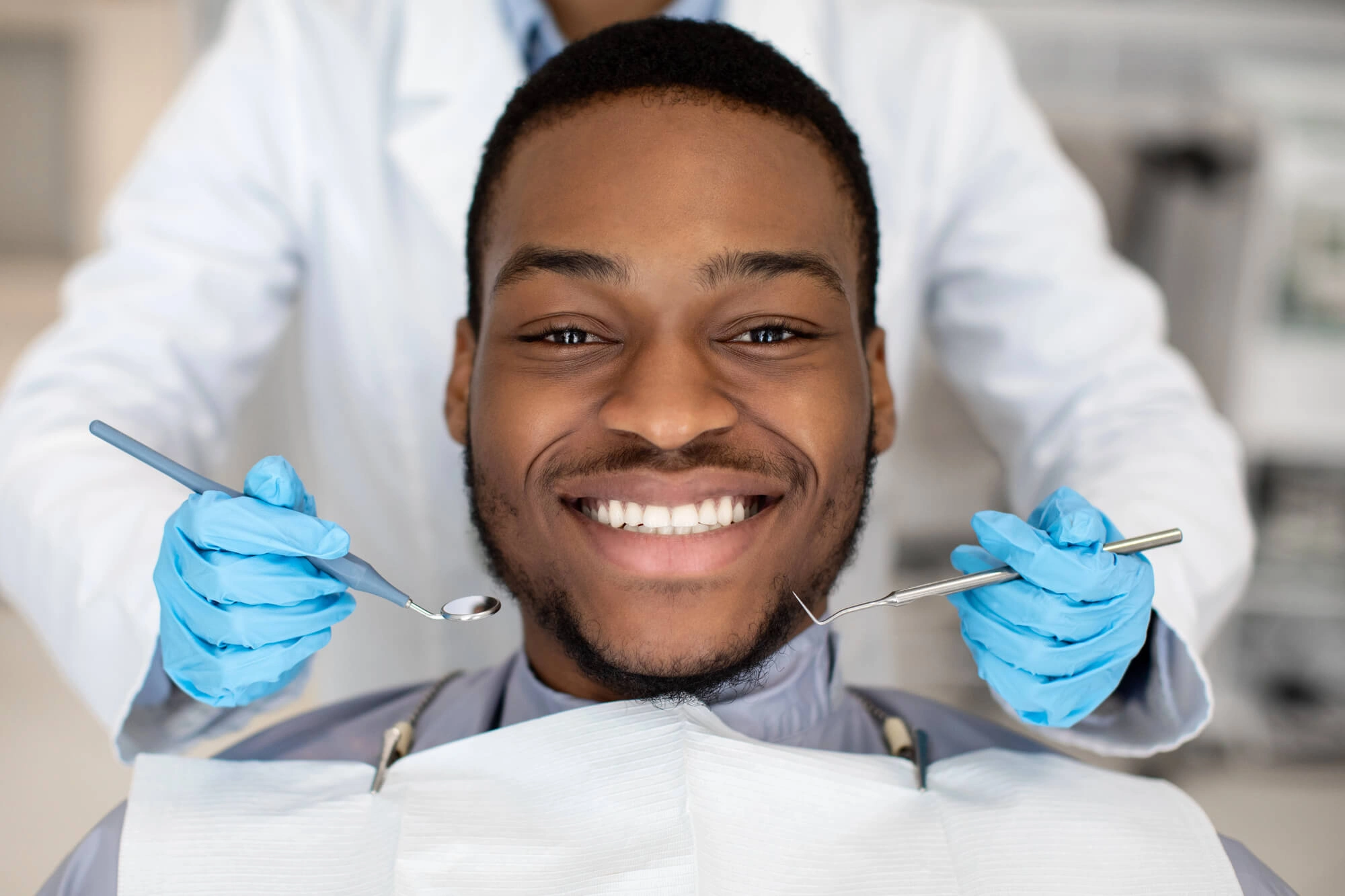
Knowing the difference between a dental inconvenience and a true dental emergency can help you seek treatment quickly and protect your oral health. If you're unsure whether you need an emergency dentist in Allentown, PA, recognizing the warning signs can prevent complications and improve treatment outcomes.

What Is Considered a Dental Emergency?
A dental emergency is any oral health issue that requires prompt attention to relieve severe pain, stop bleeding, prevent infection, or save a tooth. While not every dental problem requires immediate treatment, certain situations should never be ignored.
Seeking care as soon as possible can help reduce discomfort and minimize the risk of permanent damage.
Common Dental Emergencies
Some dental situations require urgent evaluation and treatment.
You should contact a dentist right away if you experience:
- Severe or persistent tooth pain
- A cracked, broken, or fractured tooth
- Facial swelling or signs of infection
- Uncontrolled bleeding from the mouth
- Lost fillings or crowns causing significant pain
- Trauma to the teeth or jaw
Prompt treatment can often preserve the affected tooth and prevent more extensive procedures.
What Can Wait Until a Regular Appointment?
Not every dental concern is considered an emergency. Some issues can safely be addressed during a scheduled visit.
Non-Emergency Dental Problems May Include:
- Mild tooth sensitivity
- Small chips without pain
- Food trapped between teeth
- Minor discomfort that improves
- Cosmetic concerns without functional issues
Even if a problem is not urgent, it is still important to schedule an appointment to prevent it from worsening over time.
What Should You Do During a Dental Emergency?
Taking the right steps before reaching the dental office can improve the chances of a successful outcome.
If a tooth has been knocked out, handle it by the crown rather than the root and keep it moist until you receive care. For swelling, applying a cold compress may help reduce discomfort. If bleeding occurs, gently applying clean gauze to the area can help control it.
Avoid placing aspirin directly against the gums, as this may irritate the soft tissues.
Remaining calm and contacting your dental provider promptly can make a significant difference during an emergency.
How Can You Prevent Dental Emergencies?
Although accidents cannot always be avoided, certain habits may lower your risk of urgent dental problems.
Consider the following preventive measures:
- Wear a mouthguard during sports activities
- Avoid chewing ice and hard objects
- Maintain regular dental checkups
- Address cavities and damaged restorations early
- Practice good oral hygiene at home
- Avoid using teeth as tools to open packages
Preventive care often reduces the likelihood of unexpected dental situations.
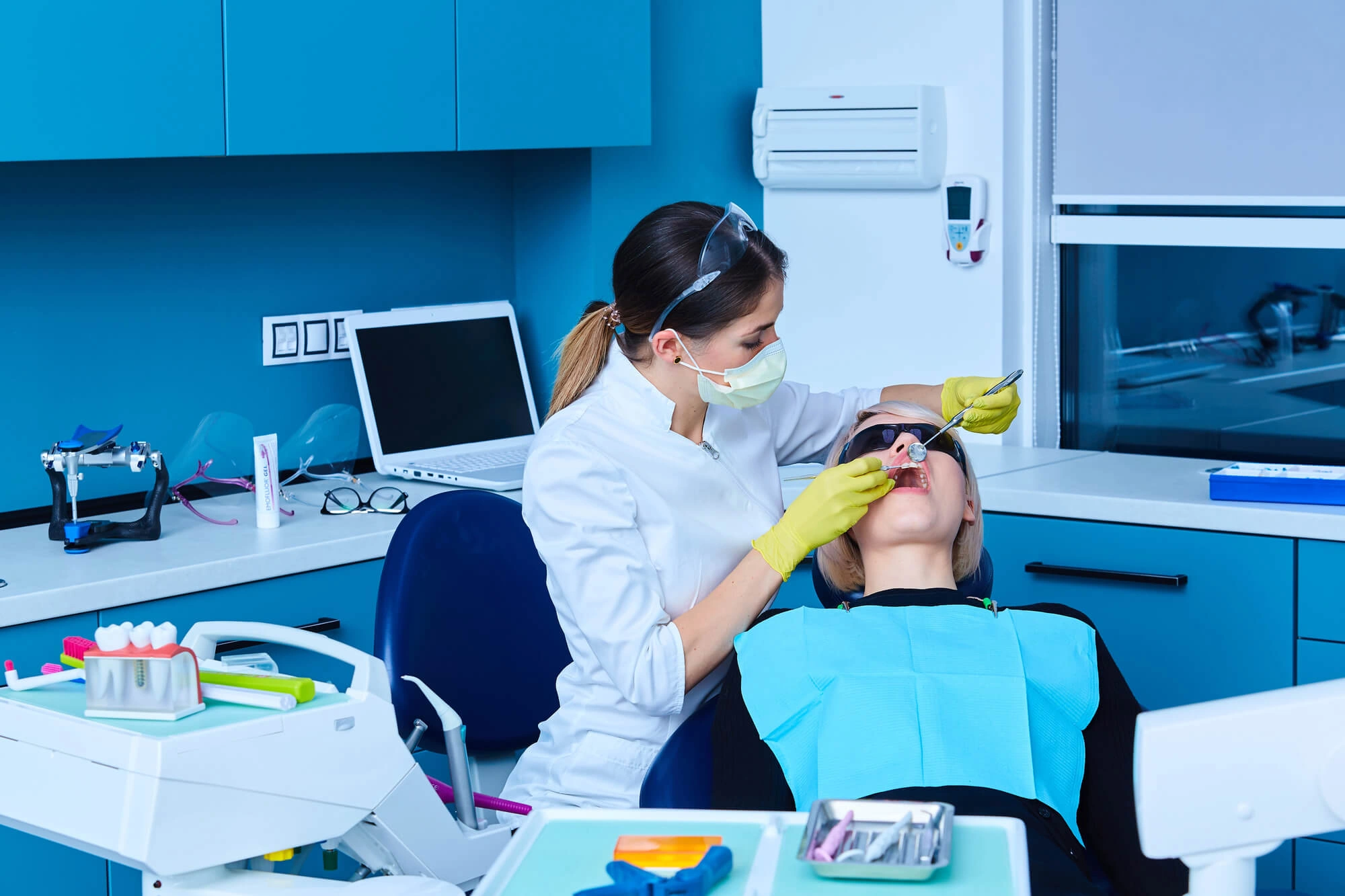
When Should You Call an Emergency Dentist in Allentown, PA?
If you're experiencing severe pain, swelling, trauma, or any symptoms that interfere with your ability to eat, speak, or function comfortably, don't delay seeking professional care. The compassionate team at Strassman Family & Cosmetic Dental is prepared to provide timely treatment when urgent dental needs arise. Contact the office today to receive the care you need and protect your smile from further complications.