
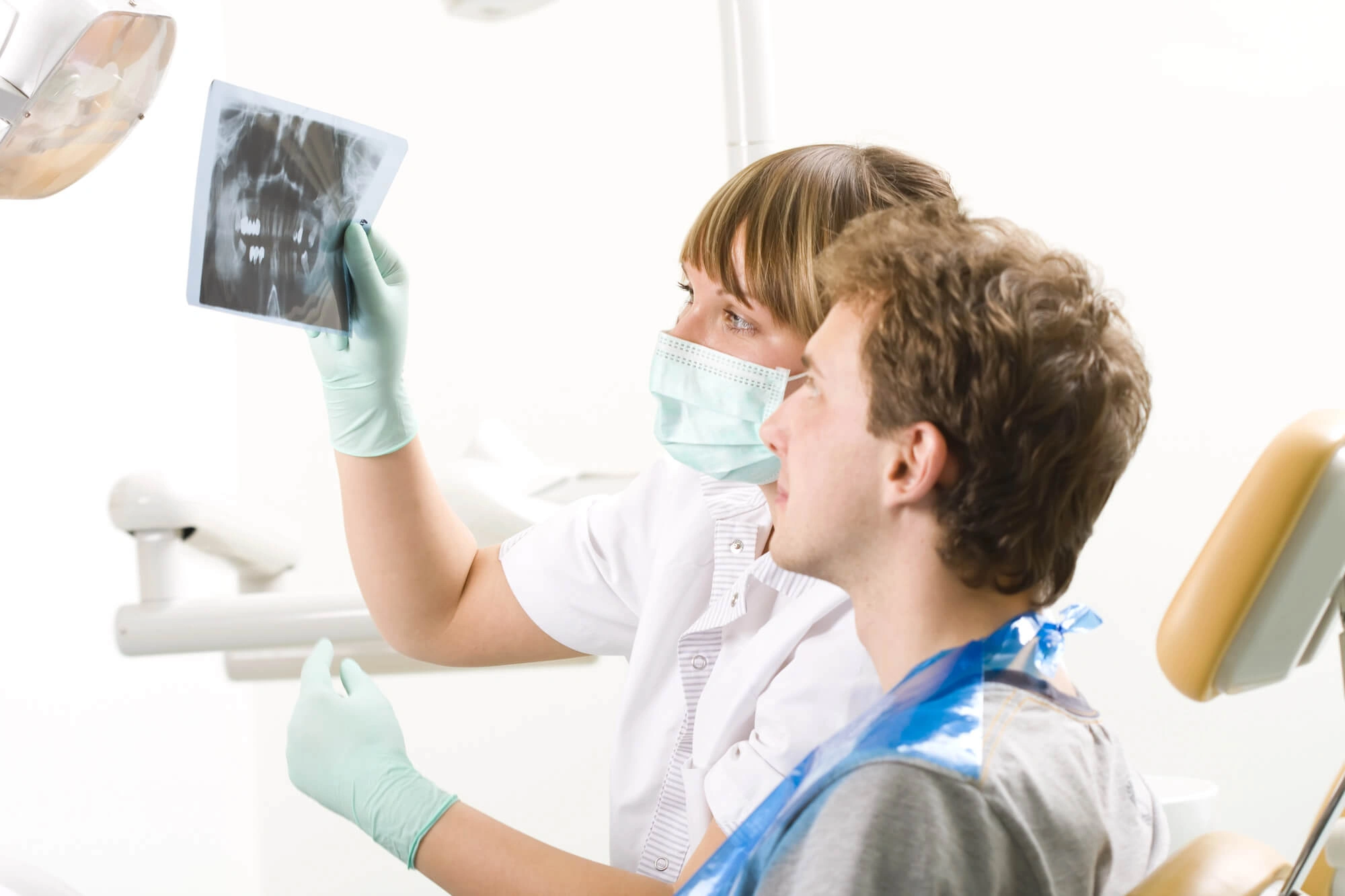
Oral cancer screenings are an important part of preventive dental care because they allow dentists to look for unusual changes in the mouth and surrounding tissues. If you visit a general dentist in Allentown, PA regularly, an oral cancer screening can be included as part of your routine dental care and may help identify concerning changes that need further evaluation.
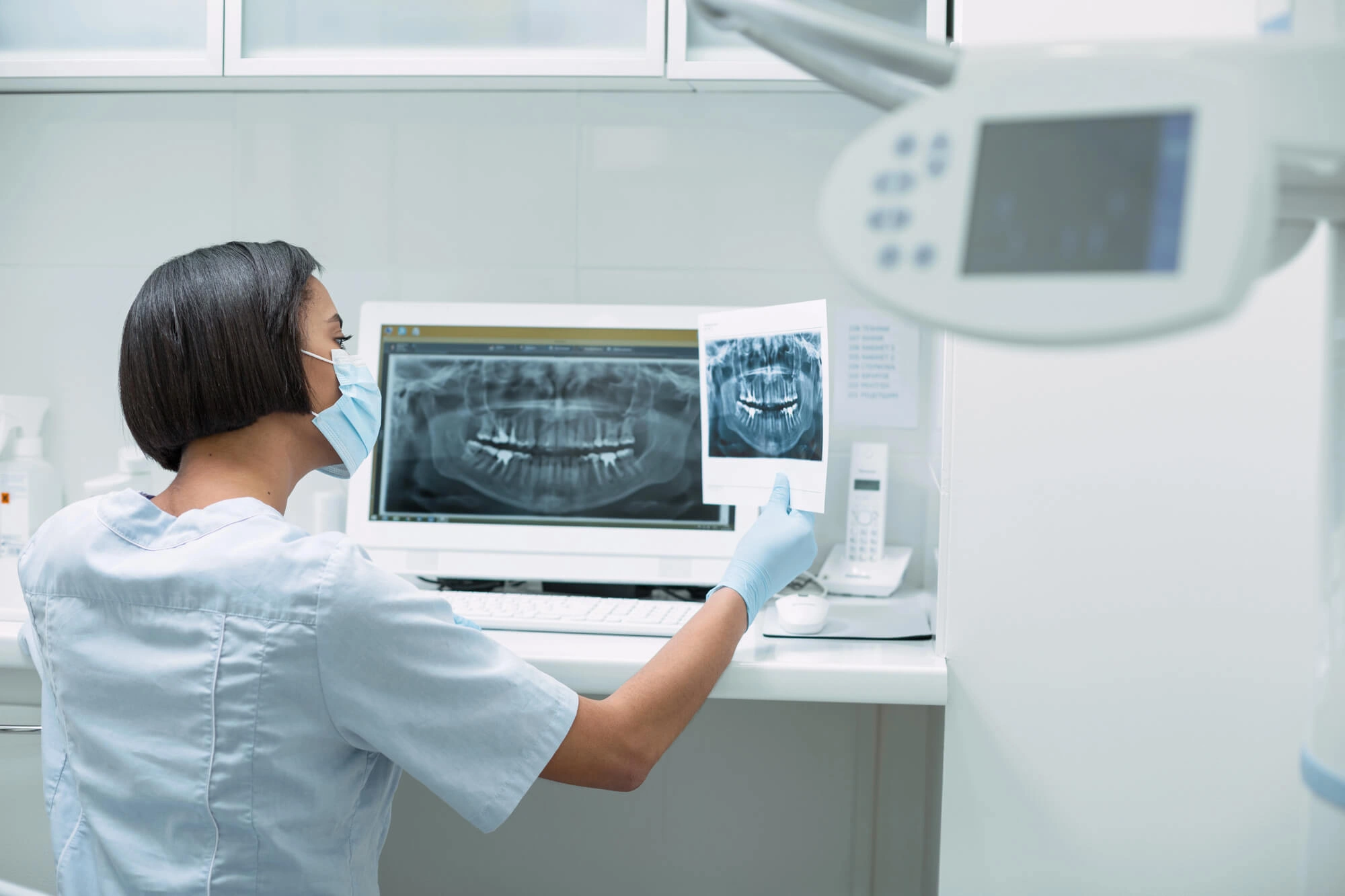
How Oral Cancer Screenings Support Your Health
Oral cancer can affect different areas of the mouth, including the lips, tongue, cheeks, gums, roof of the mouth, and throat. Some concerning changes may not cause significant discomfort in their early stages, which makes routine screenings valuable.
During an oral cancer screening, your dentist examines your mouth and surrounding tissues for abnormalities. The goal is to identify changes that may require additional testing or evaluation.
What Does a Screening Look For?
Your dentist may look for unusual changes such as:
- Persistent sores or ulcers
- Red or white patches
- Unexplained lumps or thickened areas
- Changes in the appearance of oral tissues
- Unusual bleeding or tenderness
- Areas that do not heal as expected
Finding an abnormal area does not automatically mean that it is cancer. Many oral changes can have other causes. If something appears unusual, your dentist can explain what was found and determine whether additional evaluation is appropriate.
Why Early Detection Matters
Identifying concerning changes early can provide an opportunity for further evaluation and treatment when appropriate. Regular screenings also establish a baseline for your oral health, making it easier for your dental team to notice changes during future appointments.
Because some oral health problems may develop without obvious symptoms, waiting until something becomes painful is not always the best approach.
Who Should Have Oral Cancer Screenings?
Oral cancer screenings can be an important component of routine dental care for adults. Your dentist can consider your age, oral health history, lifestyle, and other risk factors when determining how frequently screenings may be appropriate.
Certain factors may increase the risk of oral cancer, including tobacco use, heavy alcohol consumption, previous oral health concerns, and certain viral infections. However, people without known risk factors can also develop oral cancer, which is why routine professional examinations remain important.
What Symptoms Should You Discuss With Your Dentist?
In addition to regular screenings, you should tell your dentist about unusual changes that persist or do not heal normally. These may include a sore that does not improve, unexplained bleeding, a persistent lump, difficulty swallowing, or ongoing discomfort.
You should not attempt to diagnose these symptoms yourself. A dental professional can examine the area and determine whether further evaluation is necessary.
How Often Should You Have a Screening?
There is no single screening schedule that applies to everyone. Oral cancer screening may be performed during routine dental examinations, allowing your dentist to monitor your mouth over time.
Maintaining regular dental appointments also gives you an opportunity to discuss new symptoms, changes, or concerns. Your dentist can recommend an appropriate schedule based on your individual needs.
Visit a General Dentist in Allentown, PA, for an Oral Cancer Screening
Oral cancer screenings are a simple but important part of preventive dental care. Regular examinations can help your dental team recognize unusual changes and determine when further evaluation may be needed. Strassman Family & Cosmetic Dental provides oral cancer screening as part of comprehensive dental care. Schedule an appointment to support your long-term oral health and receive a professional screening.